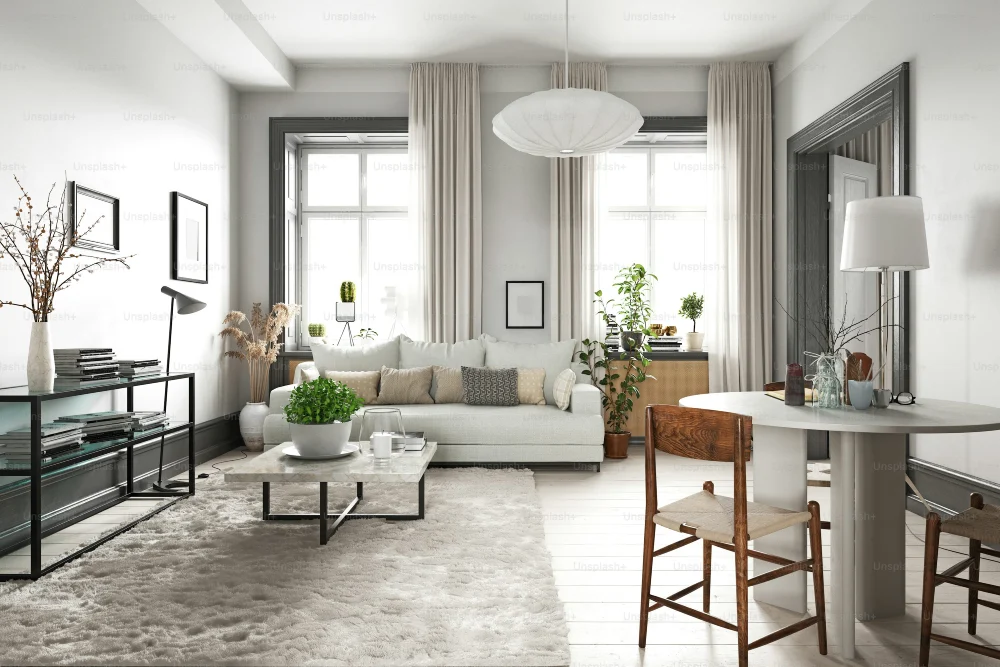
Technology is not just supporting interior design—it’s transforming it
July 20, 2025
Today’s designers can experiment more creatively, communicate more effectively, and deliver more personalized, efficient, and sustainable spaces. As digital tools continue to evolve, the future workplace of interior design will become even more innovative, collaborative, and client-focused.
1. Digital Visualization: From Sketches to Immersive Experiences 3D Modeling & Rendering
Advanced software like SketchUp, Revit, and 3ds Max allows designers to create accurate, photo-realistic models. This helps clients visualize spaces before work begins, reducing misunderstandings and costly revisions.
Virtual Reality (VR) & Augmented Reality (AR)
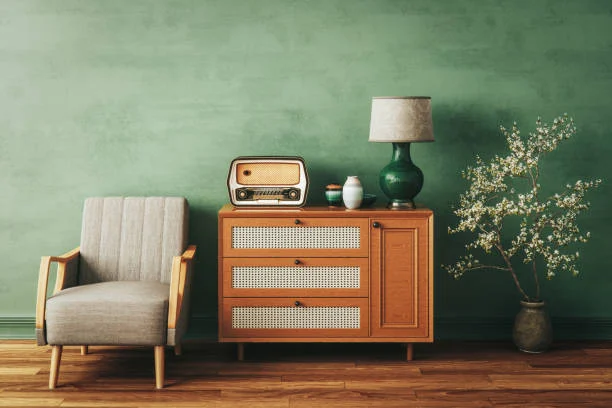
VR headsets and AR mobile tools now let clients walk through a proposed design, interact with materials, and understand spatial relationships instantly. This level of immersion was impossible just a few years ago.
Impact:
- Faster approval cycles
- More confident client decision-making
More impactful presentations
Workflow Automation & Project Management Tools
Technology has streamlined the way interior design projects are managed.
Cloud Collaboration
Platforms like Trello, Asana, or Monday allow teams to coordinate tasks and communicate effortlessly, even when working remotely.
BIM (Building Information Modeling)
BIM tools unify architecture, engineering, and interior design into one digital environment, reducing errors and ensuring better coordination.
Impact
- Less time spent on administrative tasks
- Improved accuracy in drawings and documentation
- Higher productivity and fewer project delays
Smart Materials & Digital Fabrication
Smart Materials
Emerging materials—like self-healing concrete, smart glass, or antibacterial surfaces—are transforming how designers think about durability, sustainability, and user comfort.
Digital Fabrication (3D Printing, CNC Cutting)
Custom furniture, décor, and prototypes can be produced faster and more affordably than traditional methods.
Impact:
- Greater design customization
- Cost-effective prototyping
- Shorter production timelines
Data-Driven Design
Workspaces are increasingly informed by data analytics, especially in corporate and commercial environments.
Sensors & IoT Devices
Smart sensors track how employees use spaces—meeting rooms, collaborative areas, circulation patterns—providing valuable insights.
AI-Driven Design Software
AI tools now analyze trends and usage patterns to suggest layouts, furniture arrangements, and even design palettes.
Impact:
- Spaces optimized for real user needs
- More functional, adaptable workplaces
- Evidence-based design choices
Sustainability Technologies
As sustainability becomes a priority, technology plays a major role in helping designers make environmentally responsible decisions.
Energy Modeling Software
Designers can simulate lighting, HVAC usage, and material performance before construction.
Sustainable Product Databases
Digital catalogs (like Mindful Materials) make it easier to select eco-friendly finishes and furnishings.
Impact:
- Reduced environmental footprint
- Cost savings through energy efficiency
- Alignment with green building certifications
Technology-Enhanced Client Relations
Technology has improved communication between designers and clients in powerful ways.
Digital Mood Boards & Material Libraries
Platforms like Figma, Adobe XD, or Morpholio make it easy for clients to review concepts and give feedback.
Client Portals
Project updates, invoices, timelines, and deliverables can be shared in real time.
Impact:
- Transparent communication
- Faster revisions
- Higher client satisfaction
Website: Defurnio